
TourNTell
Scheduled vs. Unannounced Property Inspections: Which Is More Effective?
Back to Resources
April 6, 2026·6 min read

Scheduled vs. Unannounced Property Inspections: Which Is More Effective?

Property inspections are one of the most important tools for maintaining quality across a real estate portfolio. But not all inspections are created equal. The debate between scheduled and unannounced inspections comes down to a fundamental question: do you want to see a property at its best, or as it really is?

How Scheduled Inspections Work

Scheduled inspections are planned in advance, with the on-site team given notice before the inspector arrives. This is the traditional approach used by most property management companies.

Advantages of scheduled inspections:

  • On-site staff can prepare relevant documentation
  • Access to occupied units can be coordinated in advance
  • Specific areas of concern can be prioritized
  • Less disruptive to daily operations
  • Tenants can be notified if unit access is needed

Limitations of scheduled inspections:

  • Properties are often cleaned and prepared specifically for the visit
  • Temporary fixes may mask ongoing issues
  • Staff behavior during the inspection may not reflect normal operations
  • The inspection captures a curated version of the property
  • Issues that have been "managed" for the visit reappear afterward

Scheduled inspections are useful for planned assessments, capital planning, and situations where unit access is required. But they don't always show the full picture.
How Unannounced Inspections Work

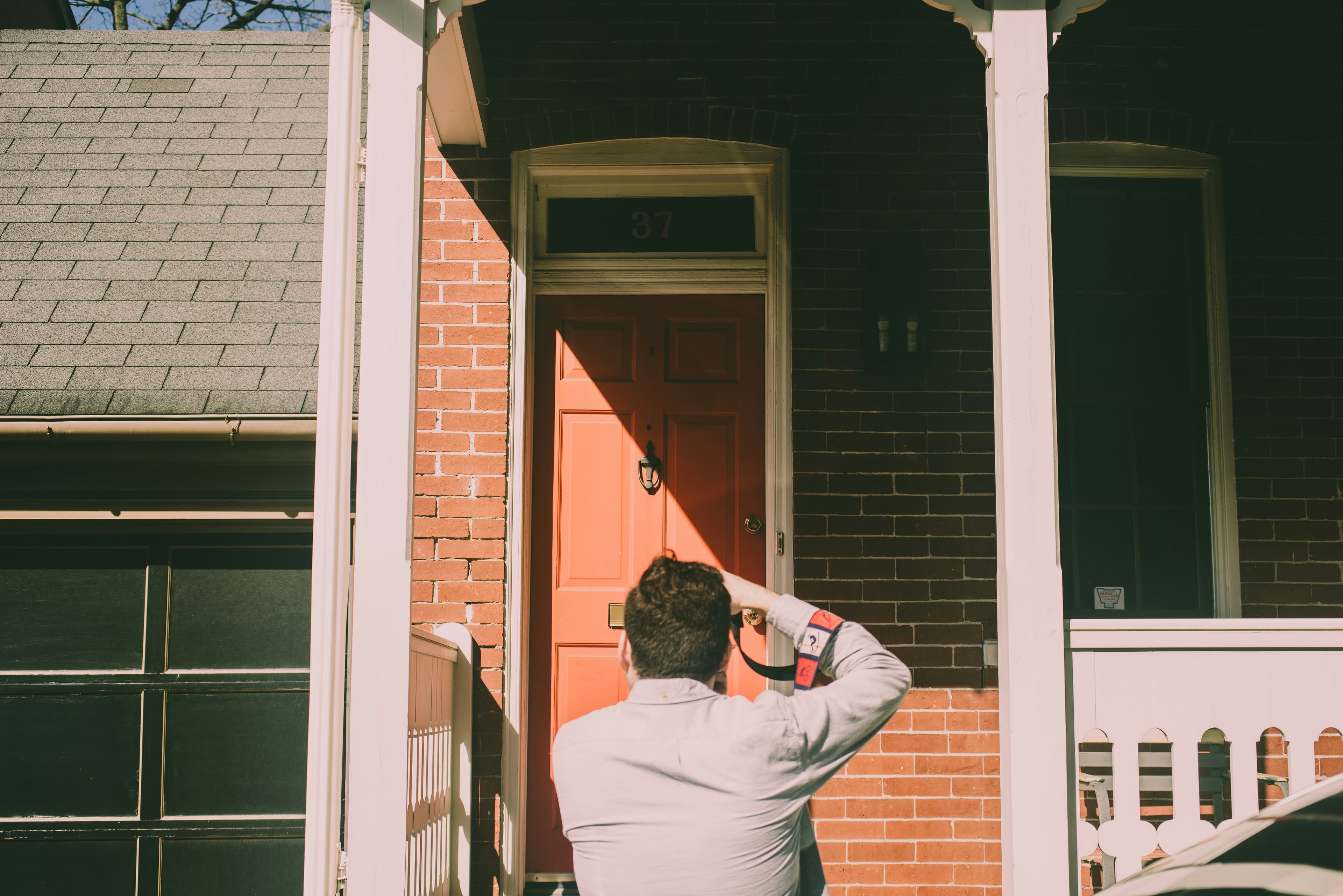
An inspector arriving unannounced to photograph property conditions

Unannounced inspections happen without advance notice to the on-site team. The inspector arrives and evaluates the property exactly as it is at that moment.

Advantages of unannounced inspections:

  • Captures the true, day-to-day condition of the property
  • Reveals issues that would be hidden during a scheduled visit
  • Assesses staff responsiveness and professionalism in real time
  • Creates ongoing accountability for on-site teams
  • Provides a more accurate picture for ownership and investors

Limitations of unannounced inspections:

  • Unit access may not be available without prior coordination
  • On-site management may initially view them as adversarial
  • Documentation or records may not be readily available
  • Some areas may be temporarily inaccessible

Despite these limitations, unannounced inspections provide a level of insight that scheduled visits simply cannot match.

What the Data Shows

Property owners who implement unannounced inspection programs consistently report:

  • More accurate understanding of property conditions
  • Faster identification of maintenance issues
  • Improved on-site team performance over time
  • Better alignment between reported conditions and actual conditions
  • Fewer surprise issues during scheduled assessments

The reason is straightforward: when people know they could be evaluated at any time, they maintain higher standards consistently. When they only prepare for scheduled visits, standards fluctuate.

The Preparation Effect

Documenting the exterior of a property during a routine inspection

The biggest difference between scheduled and unannounced inspections is what happens before the inspector arrives.

Before a scheduled inspection, on-site teams typically:

  • Deep clean common areas and lobbies
  • Address visible maintenance issues
  • Organize storage and maintenance areas
  • Brief staff on expected behavior
  • Stage the property to look its best

This preparation creates a gap between what ownership sees during the inspection and what tenants experience every other day of the month. Unannounced inspections eliminate this gap entirely.

Building an Effective Inspection Strategy

The most effective approach often combines both methods:

Use scheduled inspections for:

  • Annual or semi-annual comprehensive assessments
  • Capital planning and budgeting
  • Unit interior evaluations requiring tenant coordination
  • New property onboarding and baseline assessments

Use unannounced inspections for:

  • Ongoing oversight and accountability
  • Verifying day-to-day property conditions
  • Assessing staff performance in normal conditions
  • Identifying issues that scheduled visits would miss
  • Maintaining consistent standards between scheduled assessments

The Case for Unannounced as the Default

While both approaches have value, unannounced inspections should form the foundation of any property oversight program. Here's why:

  • They show you what your tenants actually experience
  • They create consistent accountability, not just periodic pressure
  • They catch issues earlier, before they escalate
  • They provide more reliable data for decision-making
  • They build a culture of daily excellence, not just inspection-day performance

Scheduled inspections complement this foundation for specific purposes, but they shouldn't be the primary source of property condition data.

Making the Right Choice for Your Portfolio

The right inspection approach depends on your goals. If you want to verify that a property can look good when prepared, scheduled inspections are sufficient. If you want to know how your properties actually perform every day, unannounced inspections are essential.

At Tour N Tell, we specialize in unannounced property inspections that capture the real condition of your properties. Our certified inspectors deliver detailed, photo-backed reports within 24 hours, giving you the visibility you need to manage your portfolio with confidence.

Ready to see your properties clearly?

Tour N Tell provides independent, unannounced property inspections with detailed, photo-backed reports delivered within 24 hours.

Schedule your first inspection